Heartland Honda in Springdale, AR

If you are shopping for an off-road vehicle in Northwest Arkansas, one of the first decisions you will probably face is whether you should buy an ATV or a side-by-side.
Both can be great choices for Arkansas property owners, hunters, farmers, outdoor enthusiasts, and trail riders. The better choice comes down to what you actually need your machine to do.
Do you usually ride alone or bring the family? Are you trying to get through tight wooded areas, or do you need room for tools, hunting gear, feed, or passengers? Will the machine spend most of its life working around your property, or are you looking for something primarily for recreation?
There is no universal winner in the ATV vs side-by-side debate. There is, however, usually a clear winner for your situation.
Here is what Northwest Arkansas buyers should consider before choosing between an ATV and a side-by-side.
What Is the Difference Between an ATV and a Side-by-Side?
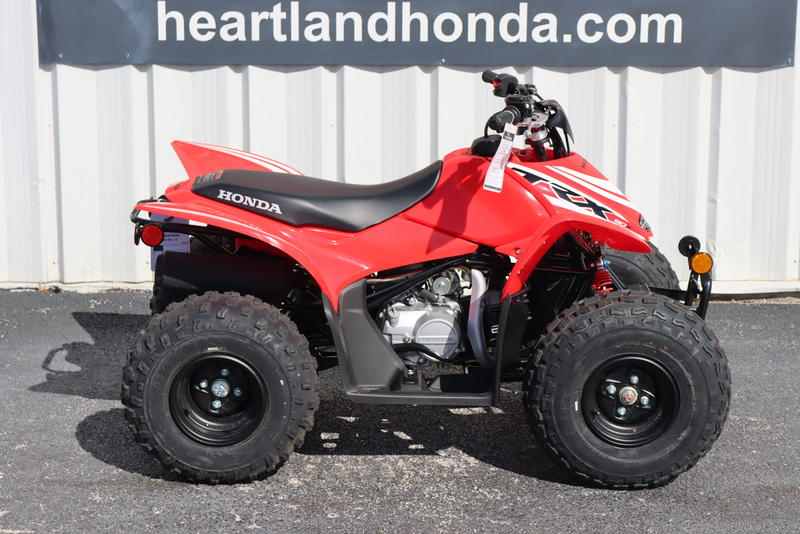
An ATV, sometimes called a four-wheeler, is generally designed for a rider who sits on top of the machine and controls it with handlebars. ATVs are typically smaller and narrower than side-by-sides, making them a popular choice for navigating woods, trails, pastures, and other areas where maneuverability matters.
Honda’s utility ATV lineup includes models such as the FourTrax Recon, FourTrax Rancher, FourTrax Foreman, and FourTrax Foreman Rubicon.
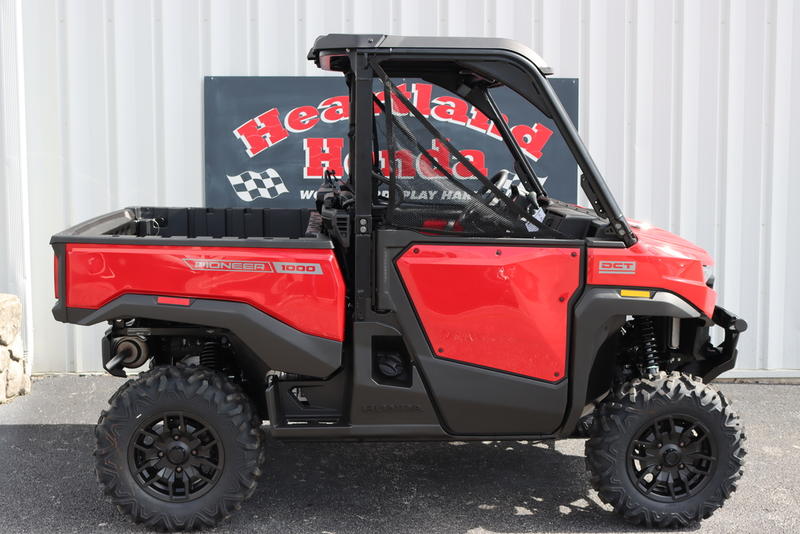
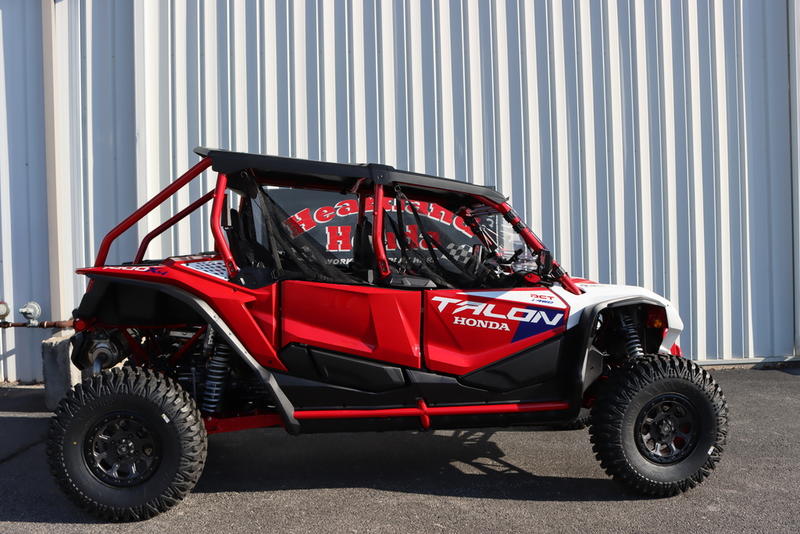
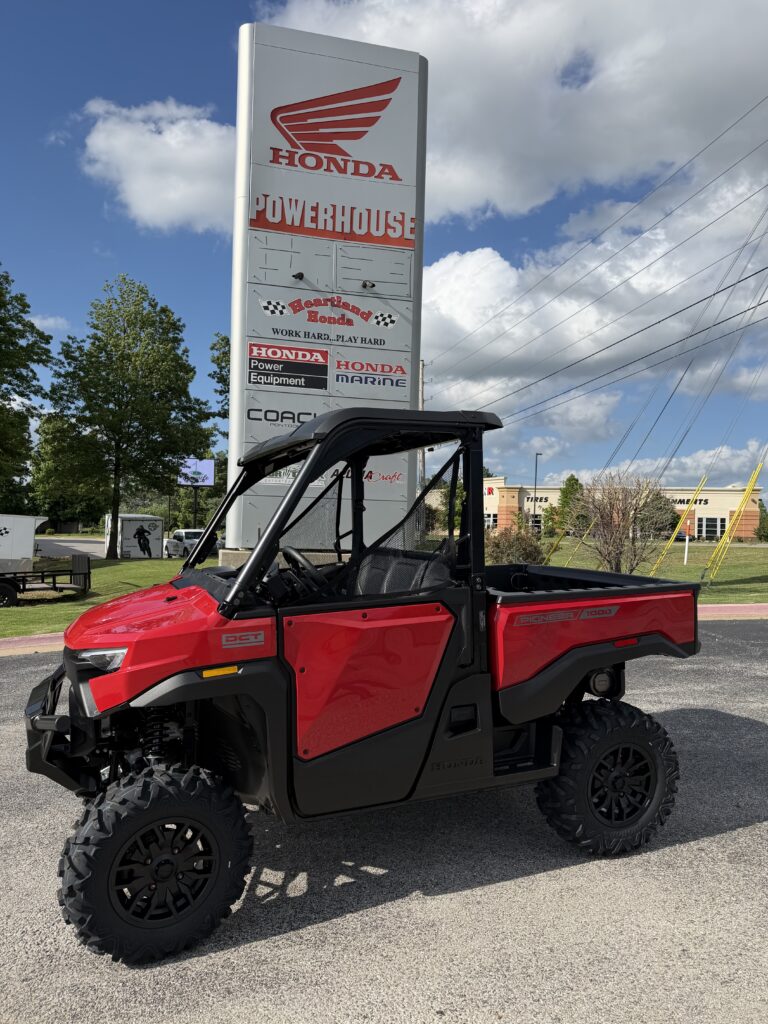
A side-by-side, also commonly called an SxS or UTV, uses a steering wheel and pedals and allows the driver and passenger to sit beside each other. Depending on the model, side-by-sides can also provide additional seating, a cargo bed, greater cargo capacity, and more opportunities to add accessories.
Honda’s Pioneer family ranges from the compact Pioneer 520 to larger Pioneer 700 and Pioneer 1000 models.
So which one belongs in your garage, barn, trailer, or hunting camp?

Buy an ATV If You Want Something Smaller and More Maneuverable
One of the biggest advantages of an ATV is its size.
Northwest Arkansas has plenty of wooded property, uneven terrain, narrow paths, fence lines, and tight areas where a smaller machine can be extremely useful.
For example, the 2026 Honda FourTrax Rancher 4×4 is 47.4 inches wide, while larger side-by-sides can be considerably wider.
That smaller footprint can make an ATV easier to maneuver when you are:
- Checking fence lines
- Riding through wooded property
- Traveling between food plots
- Hunting
- Working around livestock
- Navigating narrow trails
- Moving around smaller acreage
- Getting into areas where a larger machine may feel cumbersome
If most of your riding will involve one person traveling through tight terrain, an ATV deserves serious consideration.
Buy a Side-by-Side If You Regularly Carry Passengers
This is one of the easiest decisions in the comparison.
If you want to bring your spouse, kids, hunting partner, coworker, or friends along, a side-by-side is usually going to make much more sense.
Instead of riding in tandem on a machine that was not designed for multiple riders, you can choose a vehicle specifically designed with dedicated passenger seating.
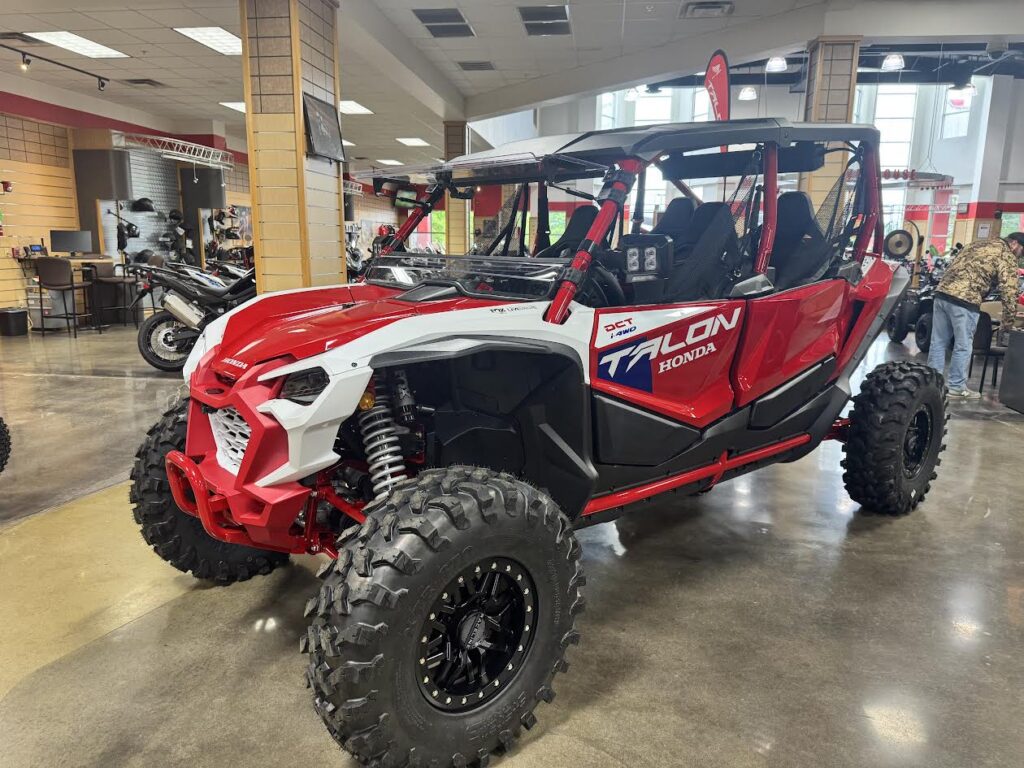
Honda offers multiple Pioneer configurations depending on how much passenger capacity you need. The Pioneer 1000 family, for example, includes configurations that can accommodate up to five occupants.
For a family wanting to explore the property together, a crew working around acreage, or hunting partners who regularly travel together, that passenger capacity can quickly outweigh the advantages of a smaller ATV.
ATV vs Side-by-Side for Hunting
This one really depends on how you hunt.
An ATV may be better for hunting if:
You need to travel through tight woods, narrow trails, or smaller openings. An ATV is also convenient for quickly moving between stands, checking cameras, maintaining food plots, or reaching remote portions of your property.
If you typically hunt alone and do not need to carry a large amount of equipment, the smaller size of an ATV can be a major advantage.
A side-by-side may be better for hunting if:
You regularly hunt with another person, carry a lot of equipment, or want a cargo bed for coolers, tools, stands, hunting gear, and other supplies.
A SxS also gives you more options for adding accessories such as a roof, windshield, additional storage, lighting, and other equipment that can make long days outdoors more comfortable.
For many Northwest Arkansas hunters, the decision really comes down to this:
Do you value maneuverability more, or cargo and passenger capacity?
If maneuverability wins, look at an ATV.
If cargo and passenger room win, start looking at side-by-sides.
ATV vs Side-by-Side for Farm and Property Work
Both can make excellent work machines.
The question is how much work you need the vehicle to handle.
ATVs Are Great for Quick Jobs
An ATV can be ideal for:
- Checking cattle
- Inspecting fences
- Spraying
- Moving around acreage
- Checking fields
- Carrying smaller tools
- Pulling lighter trailers
- Getting quickly from one end of the property to another
Honda equips utility ATVs such as the Rancher with front and rear cargo racks, and current Rancher models also use shaft drive, which eliminates routine chain lubrication and adjustment.
If you want something simple, compact, and easy to jump on for everyday property chores, an ATV may be all the machine you need.
Side-by-Sides Step Up the Utility
If you regularly move equipment, tools, firewood, feed, fencing supplies, or other cargo, the bed of a side-by-side can make a huge difference.
Even Honda’s compact Pioneer 520 offers a 450-pound bed capacity and 1,000-pound towing capacity.
Move farther up the Pioneer lineup and the capabilities increase. Honda lists a 1,500-pound towing capacity for the Pioneer 700-4.
That makes a SxS attractive for larger properties where the machine starts serving as a small work vehicle instead of simply transportation.
Which Is Better for Arkansas Trails?
This depends heavily on the type of trail riding you enjoy.
An ATV gives the rider a very active experience. You use your body position while riding, and the machine’s relatively compact dimensions can make it fun in tighter terrain.
A side-by-side provides a completely different experience. You are seated inside the vehicle with a steering wheel and pedals, and you can share the ride with passengers.
If trail width is a concern, do not automatically assume that every SxS is huge.
The Honda Pioneer 520, for example, is only 50 inches wide, giving buyers a compact SxS option when width and storage space matter. Honda also notes that its compact size allows it to fit in most full-size pickup beds.
That is why it is important to compare actual models instead of simply deciding that all ATVs are small and all side-by-sides are large.
Which Is Easier to Haul?
In general, an ATV’s smaller dimensions make it easier to transport and store.
That can matter more than people realize.
Before buying either type of vehicle, think about:
- Your current trailer size
- Your tow vehicle
- Garage or barn space
- Trailer width
- Trailer weight capacity
- Where the machine will be stored
- Whether you will frequently haul it to other properties or riding areas
If you already own a smaller utility trailer, an ATV may work with the equipment you already have.
A larger SxS may require additional trailer capacity.
That does not necessarily make the SxS the wrong choice. It is simply something you should factor into the total buying decision instead of discovering it after you bring your new machine home.
Which Is Better for Families?
For most families wanting to ride together, the side-by-side wins.
The seating position also tends to feel more familiar to people who have never ridden an ATV because the controls are more automotive in nature, with a steering wheel and pedals.
A side-by-side can make it easier to turn working around the property or exploring outdoors into something the family can enjoy together.
If the machine is mainly for one person, however, buying a larger multi-passenger vehicle may be unnecessary.
That is why we always come back to the same question:
How are you actually going to use it?
Which Costs Less: An ATV or Side-by-Side?
An ATV will generally give buyers a lower entry point than a comparable side-by-side.
But purchase price should not be the only consideration.
Think about what you would need to add later.
For example, if you buy an ATV but eventually realize you need to regularly transport passengers and significantly more cargo, the cheaper machine may not have been the better value.
On the other hand, if you buy a large side-by-side and spend most of your time riding alone through tight woods, you may have paid for size and capability you rarely use.
The goal should not necessarily be to buy the cheapest machine.
It should be to buy the least expensive machine that comfortably handles everything you realistically plan to do with it.
Should You Buy an ATV or Side-by-Side for Small Acreage?
For smaller properties, an ATV can be hard to beat.
It takes up less storage space, is easy to maneuver, and can still handle an impressive amount of work.
A Honda FourTrax Recon or Rancher may be more than enough for someone who needs a machine to check property, move tools, maintain trails, or take an occasional ride.
But acreage alone should not determine your choice.
Someone with 10 acres who regularly carries two people and loads a bed with tools may benefit more from a Pioneer than someone with 100 acres who primarily rides alone checking fence lines.
Buy according to the job, not just the number of acres.
When Does a Side-by-Side Make More Sense?
A SxS is probably the better choice if several of these sound like you:
- You regularly carry passengers
- You want a cargo bed
- You frequently haul tools or supplies
- You want more weather protection
- You prefer a steering wheel and pedals
- You want more room for accessories
- You use the vehicle heavily for property work
- You want one machine for both family recreation and work
The Honda Pioneer lineup gives buyers several different sizes to consider rather than forcing everyone into a large SxS. The current Pioneer family stretches from the 50-inch-wide Pioneer 520 to larger Pioneer 700 and Pioneer 1000 options.
When Does an ATV Make More Sense?
An ATV is probably the better choice if:
- You normally ride alone
- You regularly travel through tight woods
- Maneuverability is a top priority
- You have limited storage space
- You want something easier to haul
- You mostly perform smaller property chores
- You prefer the traditional ATV riding experience
- You do not need a cargo bed or multiple seats
Honda’s current utility ATV lineup provides several steps in size and capability, from the compact FourTrax Recon through the Rancher and Foreman Rubicon families.
ATV vs Side-by-Side: A Quick Way to Decide
Still stuck?
Ask yourself these five questions:
1. How many people will normally ride?
Mostly one person? ATV.
Frequently two or more? Side-by-side.
2. How tight is the terrain?
Lots of narrow woods and tight areas? ATV.
More open trails, fields, roads, and property? Side-by-side becomes more attractive.
3. How much equipment do you carry?
A few tools or hunting supplies? ATV racks may be enough.
Coolers, feed, tools, firewood, fencing supplies, or lots of hunting equipment? You will probably appreciate a SxS bed.
4. Is this primarily work or recreation?
Either machine can handle both.
But if you need substantial cargo and passenger capacity for work, lean toward a side-by-side.
If your priority is maneuverability and a more active recreational riding experience, lean toward an ATV.
5. How are you going to transport it?
Do not forget about the truck, trailer, storage space, and towing setup you already own.
Sometimes that answer makes the choice surprisingly easy.
Honda ATV or Honda Pioneer: Which One Is Right for You?
If you have narrowed your search to Honda, the next step is figuring out which size and model fits your needs.
For ATV shoppers, that might mean comparing models such as the:
- Honda FourTrax Recon
- Honda FourTrax Rancher
- Honda FourTrax Foreman
- Honda FourTrax Foreman Rubicon
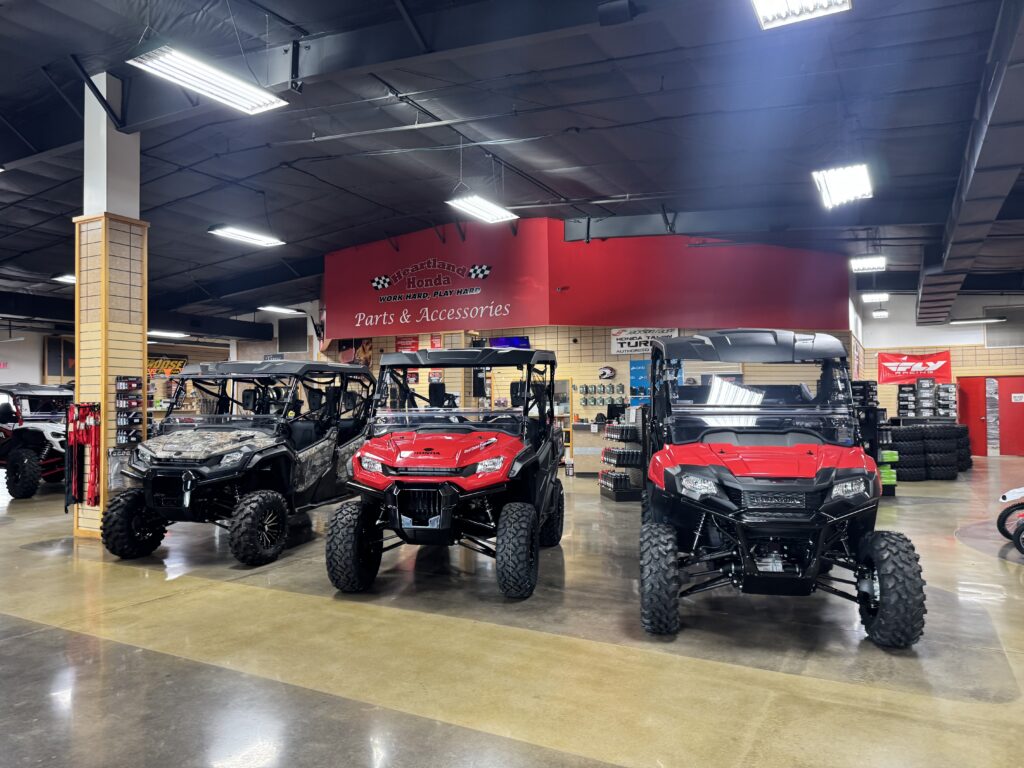
For side-by-side shoppers, Honda Pioneer choices include:
- Honda Pioneer 520
- Honda Pioneer 700
- Honda Pioneer 700-4
- Honda Pioneer 1000
- Honda Pioneer 1000-5
There is a significant difference between the smallest and largest machines in each category, so choosing between an ATV and SxS is only step one.
The next step is finding the right ATV or side-by-side within that category.
Shop Honda ATVs and Side-by-Sides in Springdale, Arkansas
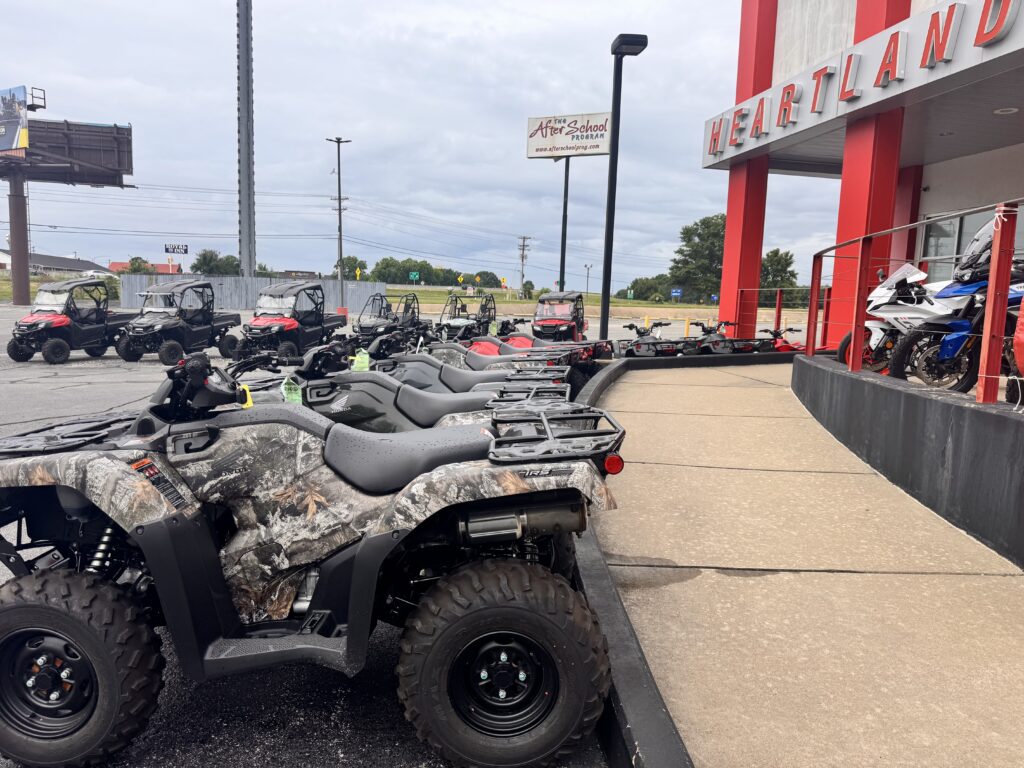
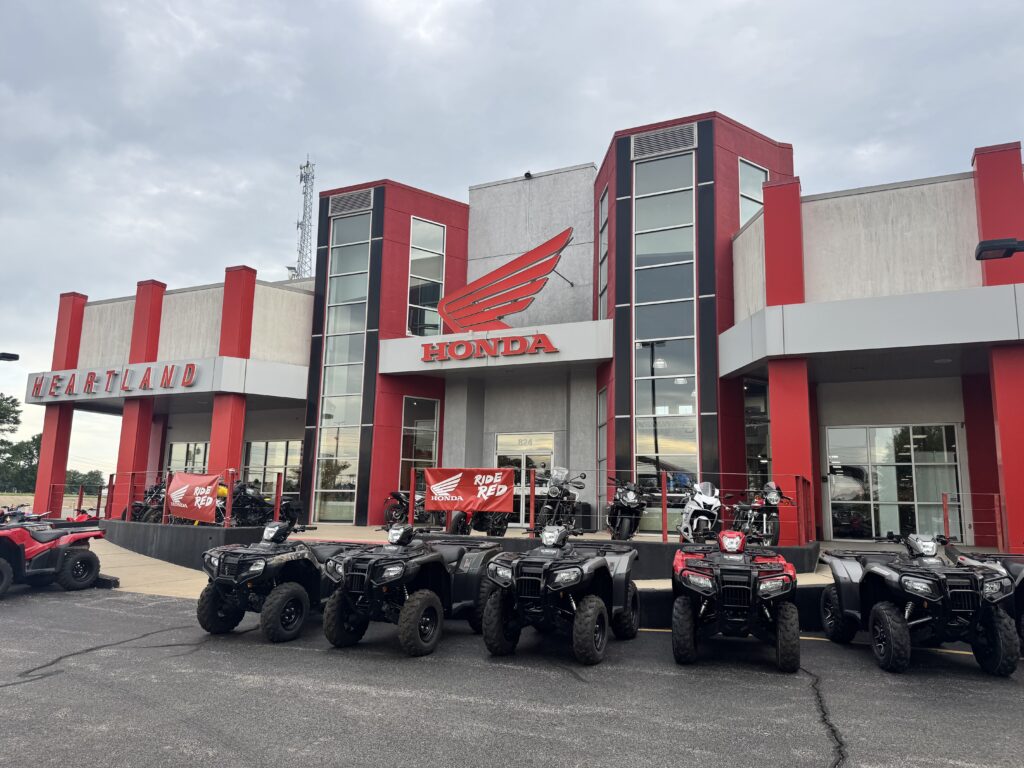
At Heartland Honda in Springdale, Arkansas, we help customers from across Northwest Arkansas find Honda powersports vehicles that fit the way they actually ride and work.
Heartland Honda is an authorized Honda powersports sales and service dealer offering Honda motorcycles, ATVs, and side-by-sides. Our service department also provides factory-trained service for powersports vehicles, from routine maintenance to accessory installation.
If you are comparing a Honda ATV vs a Honda Pioneer side-by-side, stop by and take a look at the machines in person.
Seeing the difference in seating position, width, cargo room, controls, and overall size can make the decision much easier than comparing specifications on a screen.
Whether you are looking for an ATV for hunting, a four-wheeler for your property, a side-by-side for farm work, or a Honda Pioneer for exploring Northwest Arkansas, our team can help you compare your options.
Visit Heartland Honda in Springdale, Arkansas, to shop Honda ATVs and side-by-sides and find the machine that fits the way you work, hunt, ride, and explore.
Frequently Asked Questions About ATVs vs Side-by-Sides
Is an ATV or side-by-side better for hunting?
An ATV can be the better choice for hunters who ride alone and need to navigate tight wooded terrain. A side-by-side may be better for hunting partners or anyone who needs substantially more room for gear and cargo.
Is an ATV or side-by-side better for farm work?
Both can work well. ATVs are excellent for quick trips around property and tighter areas. Side-by-sides are often better when you regularly carry passengers, tools, feed, fencing supplies, or other cargo.
Is a side-by-side the same as a UTV?
The terms side-by-side, SxS, and UTV are often used interchangeably when referring to this type of off-road vehicle.
Are side-by-sides harder to haul than ATVs?
They can be. Many side-by-sides are wider, longer, and heavier than ATVs, so you should compare the dimensions and weight of the specific machine with your trailer and tow vehicle before purchasing.
Can you get a small side-by-side?
Yes. The Honda Pioneer 520 is one example of a compact SxS. Honda lists it at 50 inches wide while still providing a dump bed and 1,000-pound towing capacity.
What is the best Honda ATV for Northwest Arkansas?
That depends on how you plan to use it. The Recon is a compact option, the Rancher gives buyers a broad range of configurations, and the Foreman Rubicon family adds more capability and comfort. The best choice depends on your terrain, workload, drivetrain preferences, and budget.
What is the best Honda side-by-side for Northwest Arkansas?
The Pioneer 520 can make sense for buyers prioritizing compact dimensions, while Pioneer 700 and Pioneer 1000 models provide additional size and capability. The best Pioneer depends on passenger needs, cargo requirements, property size, trail conditions, and the type of work you plan to do.